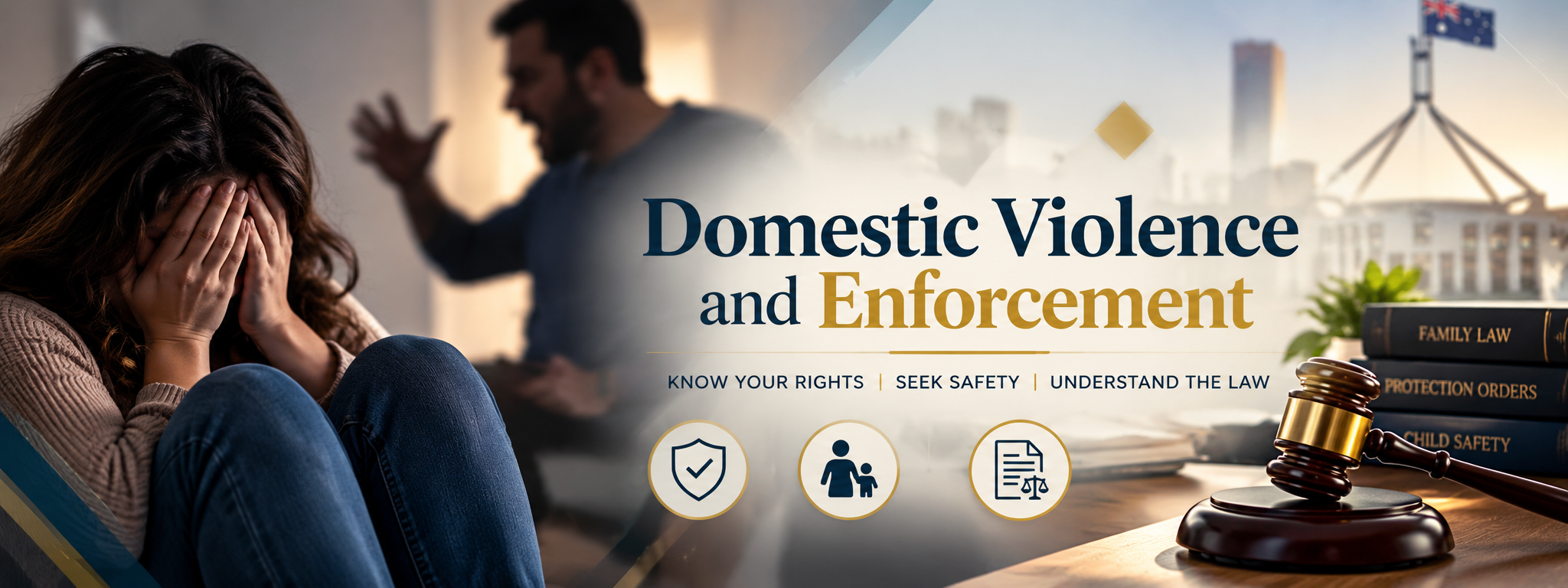

Family violence and the family court — the protections that exist and how to access them
Section 102NA. The Evatt List. The Lighthouse Project and the DOORS screening tool. Court security measures. The relationship between a domestic violence order and a family court parenting order. These are not abstract provisions — they are the specific mechanisms the system has built to address the reality that contested parenting proceedings frequently involve parties for whom physical safety is a genuine concern. This guide explains each protection plainly, how to access it, and what it means for the conduct of your proceedings.
Coercive control — documenting what courts can't always see
Physical violence leaves marks. Coercive control often leaves nothing visible at all — which is precisely how it operates. This guide addresses the specific evidentiary challenge of establishing a pattern of controlling behaviour in court: how to build a contemporaneous record, how to structure an affidavit that shows the pattern rather than just individual incidents, which s.60CC factors coercive control connects to, and how to make the submission that links the evidence to the legal test. The law explicitly includes coercive control within the definition of family violence. This guide shows you how to prove it.
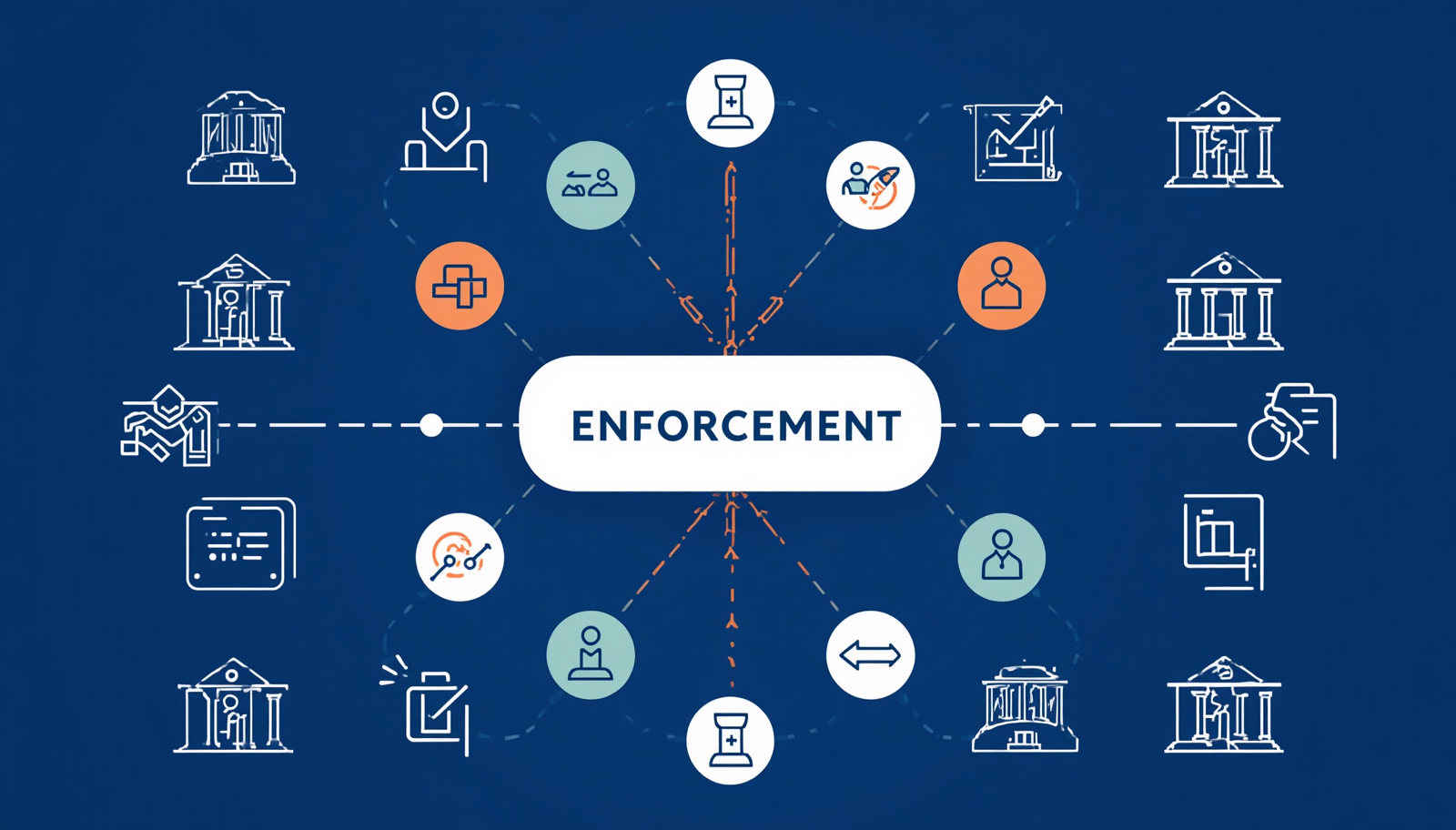
Contravention — what to do when orders are not being followed
A court order is only as effective as the mechanism available to enforce it. When the other party breaches a parenting order — withholds the children, ignores changeover times, refuses to communicate through the required channel — the legal response is a contravention application. This guide covers the full process: what constitutes a contravention and what does not, the reasonable excuse defence and when it succeeds, how to document breaches to build an evidentially strong application, how the hearing runs, and the full range of penalties available to the court — from make-up parenting time through to imprisonment for the most wilful and repeated defiance.
About the course
For some navigating family court, it's not just complex — it's dangerous. The relationship that produced the children also brought about violence, control, or both. The other party causing harm is the one on the other side. And the court process itself can perpetuate that harm. Module 7 is the specialist library's most critical module. It covers specific legal protections, identification of control, post-order scenarios, breach responses, and enforcement mechanisms. Four documents provide a comprehensive system — from protection to enforcement.

Meet your instructor
Introducing yourself to this course's journey may spark a multitude of feelings within you. Remember to embrace each emotion, give yourself the space to navigate them, and shower yourself with kindness throughout the process.
What people are saying
Elevate your journey with us. Join our course today and unlock a path to empowerment, wisdom, and success.
Thank you for bringing this awful topic out of the shadows. There is a way out.
Cake decorator, NSW
This topic is so difficult to talk about. The perp can b either gender.
Melbourne, VIC
Understand Domestic Violence Laws in Australia – Learn Your Rights and Legal Options
Understand your rights under Australian family law. Explore domestic violence protection orders, coercive control, parenting arrangements, and legal enforcement options. Enrol today to gain practical knowledge of family court procedures.